Machine Safety Services for Compliance and Risk Reduction

image 17
image 19b
image 20
image 21
Rockwell-Silver-Partner-Logo
beckhoff

Machine safety is not something you figure out as you go. It requires structure, clarity, and systems that protect personnel while maintaining control reliability in your operation.

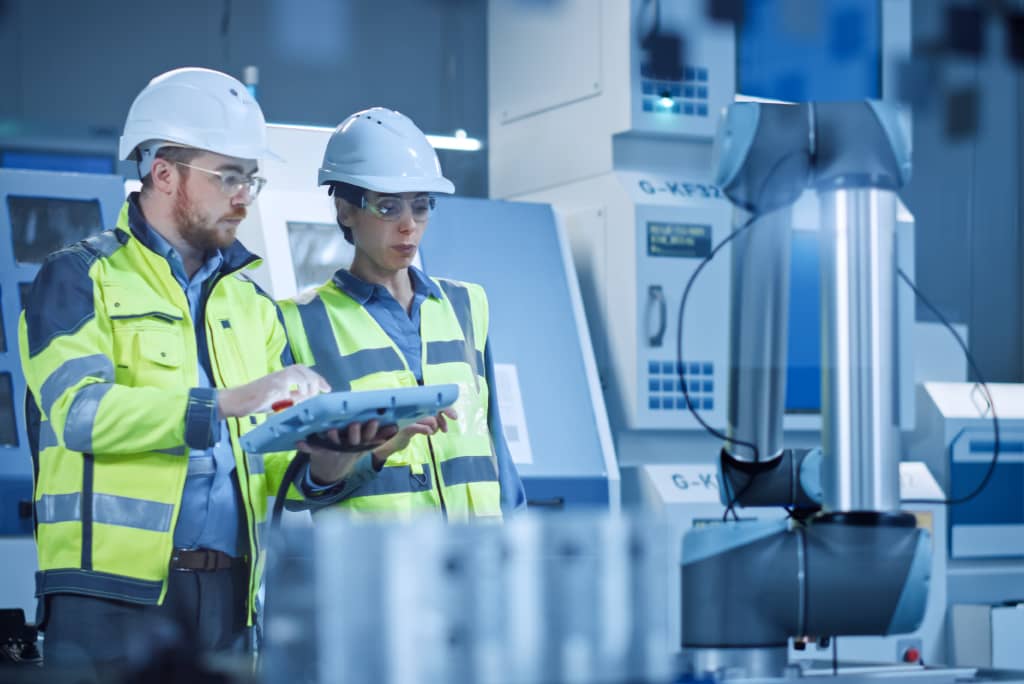
Pacific Blue Engineering provides machine safety services led by TÜV Certified functional safety engineers. We help manufacturers and facilities identify hazards, meet compliance requirements, and build systems that protect workers without disrupting production.

What Does Effective Machine Safety Actually Require?

Essentially, it comes down to a few critical elements working together:

Strong machine safety combines physical safeguarding, defined procedures, and proper training. When these elements are aligned, safety becomes part of the operation instead of something that slows it down.

Our Machine Safety Services

Risk Assessments

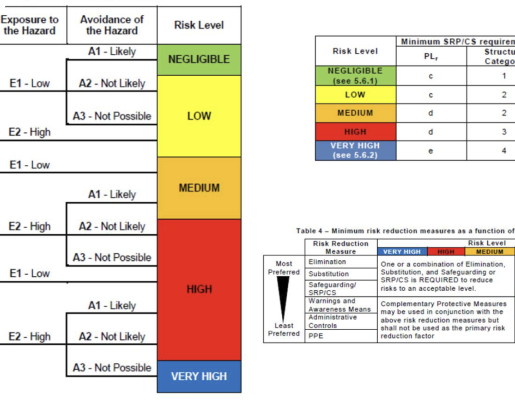
Risk assessments are the foundation of any machine safety program. We evaluate equipment, identify hazards, and determine the level of risk based on real operating conditions.

The process includes evaluating risk, identifying reduction methods, and aligning on solutions with your team to ensure residual risk is acceptable. Regular assessments also help identify new hazards and confirm existing safeguards remain effective.

Safety Functional Requirement Specifications (SFRS)

A reliable safety system starts with a clearly defined plan. We develop Safety Functional Requirement Specifications that outline how safety functions should perform under normal operation and emergency conditions.

This ensures alignment across teams and provides a strong foundation for compliance, validation, and long-term support.

Safety Control System Design

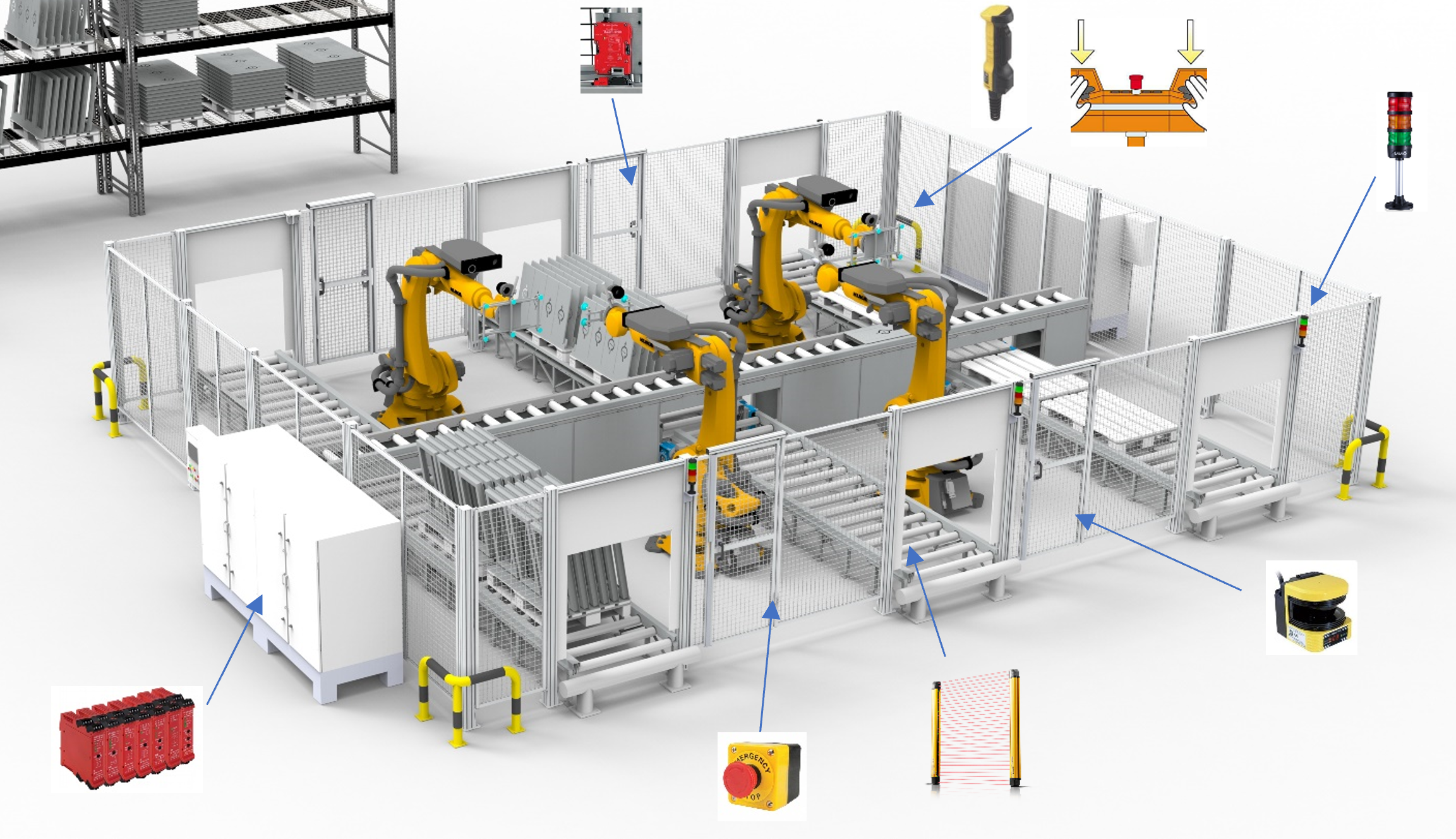
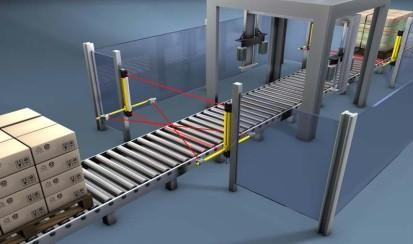
We design safety control systems that improve control reliability and meet required performance levels. Our engineers select appropriate safety devices, interlocks, and control architecture based on your process.

Engineering controls such as machine safeguarding and interlocking systems are prioritized to protect personnel from hazards before relying on administrative controls or PPE. The result is a system that protects workers while maintaining efficient operation.

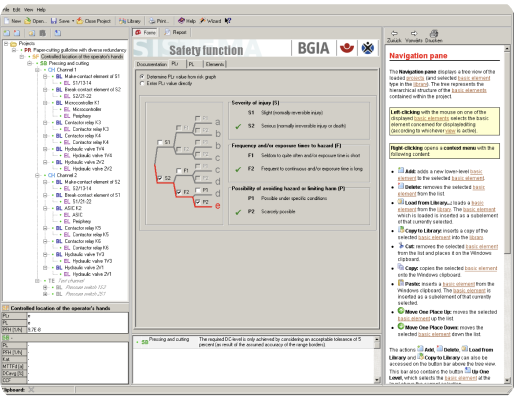
Safety Circuit Verification (SISTEMA)

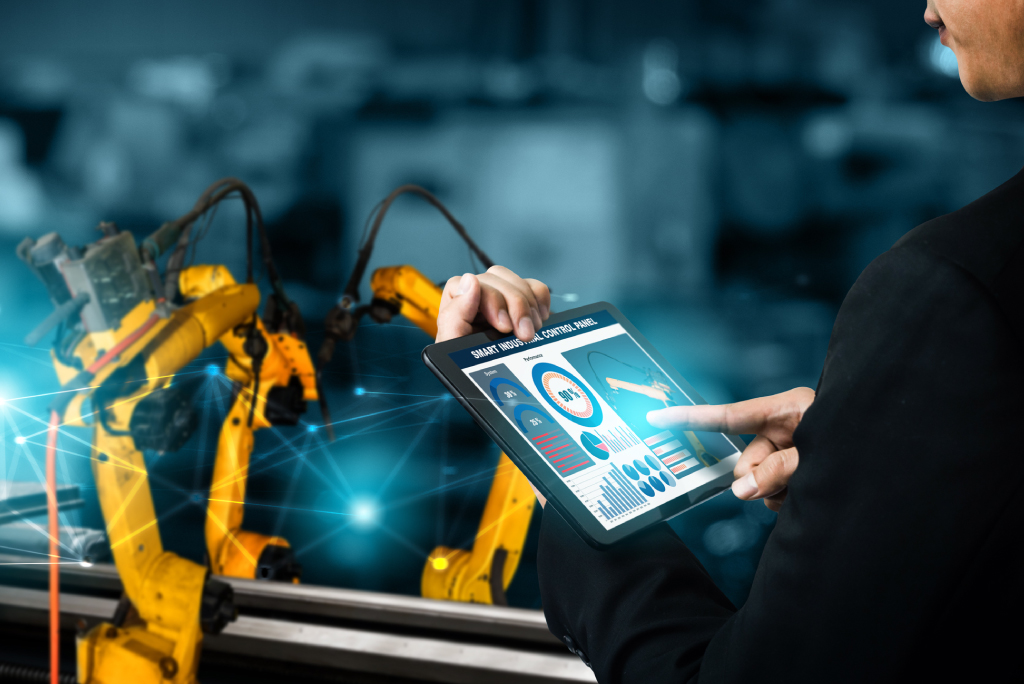
Verification ensures your safety system meets the required performance levels defined during risk assessments. Using SISTEMA, we calculate and validate the performance of safety circuits.

This step confirms that safety devices and systems function as intended and meet industry safety standards and compliance requirements.

Machine Guarding & Safeguarding

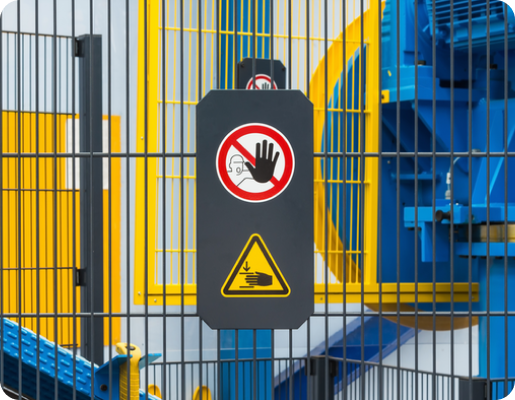
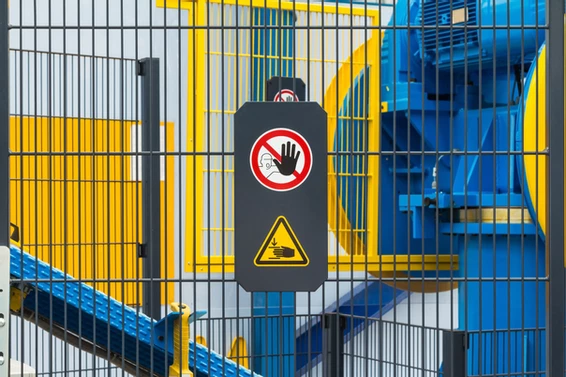
Machine guarding is one of the most effective ways to protect personnel from accidental contact with moving machinery. We design and implement machine safeguarding solutions that meet OSHA requirements and prevent serious injuries.

Our approach ensures guards are durable, accessible for maintenance, and integrated into the overall operation without creating new hazards.

Commissioning & Validation

Safety systems must perform correctly in real operating environments. We commission safety systems on-site and conduct thorough validation to confirm proper function.

All procedures are documented to support compliance, audits, and long-term maintenance of your systems.

Machine Safety Training & Consulting

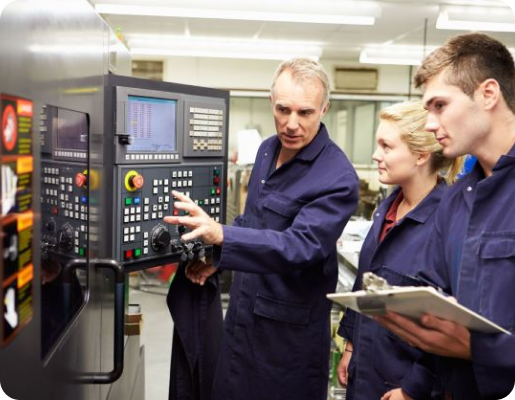
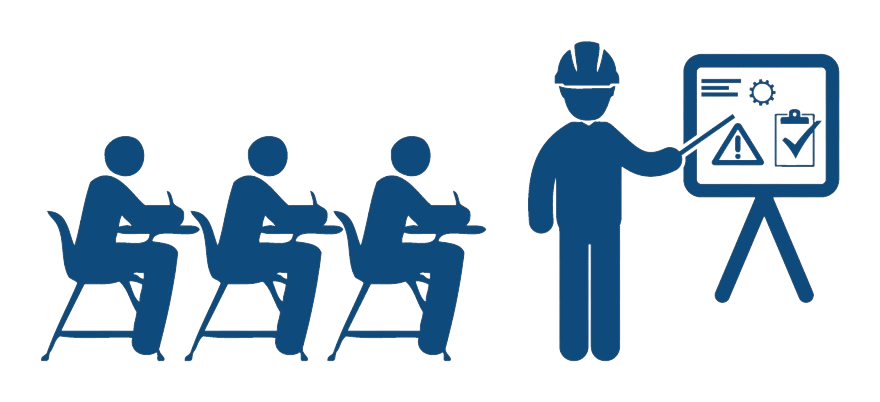
Safety training helps your team understand hazards, safety procedures, and proper system use. We provide training services tailored to your equipment, processes, and workplace environment.

Our goal is to build knowledge within your team so safety becomes part of daily operations, not just a checklist.

automation disciplines

Variable Frequency Drives

Networks & Infrastructure

Motion Control

Electrical Design

Why Do Machine Safety Issues Keep Coming Up?

Most machine safety issues are not caused by a single failure.

They come from gaps between systems, outdated equipment, or safety devices that were added without a full process in place.

Over time, those gaps create risk, reduce control reliability, and increase the likelihood of accidents or injury.

That is usually when companies bring in outside expertise to realign the system.

Why Work With Pacific Blue Engineering?

  • TÜV Certified functional safety engineers

  • Experience across various industries and complex machinery

  • Proven machine safety compliance expertise

  • Systems designed to protect personnel and maintain productivity

  • Clear documentation to support audits and regulatory requirements

  • Ongoing support for maintenance, upgrades, and training

Machine safety compliance depends on understanding how each machine operates and where risks exist. We help bring clarity to that process and build solutions that work in real environments.

Frequently Asked Questions

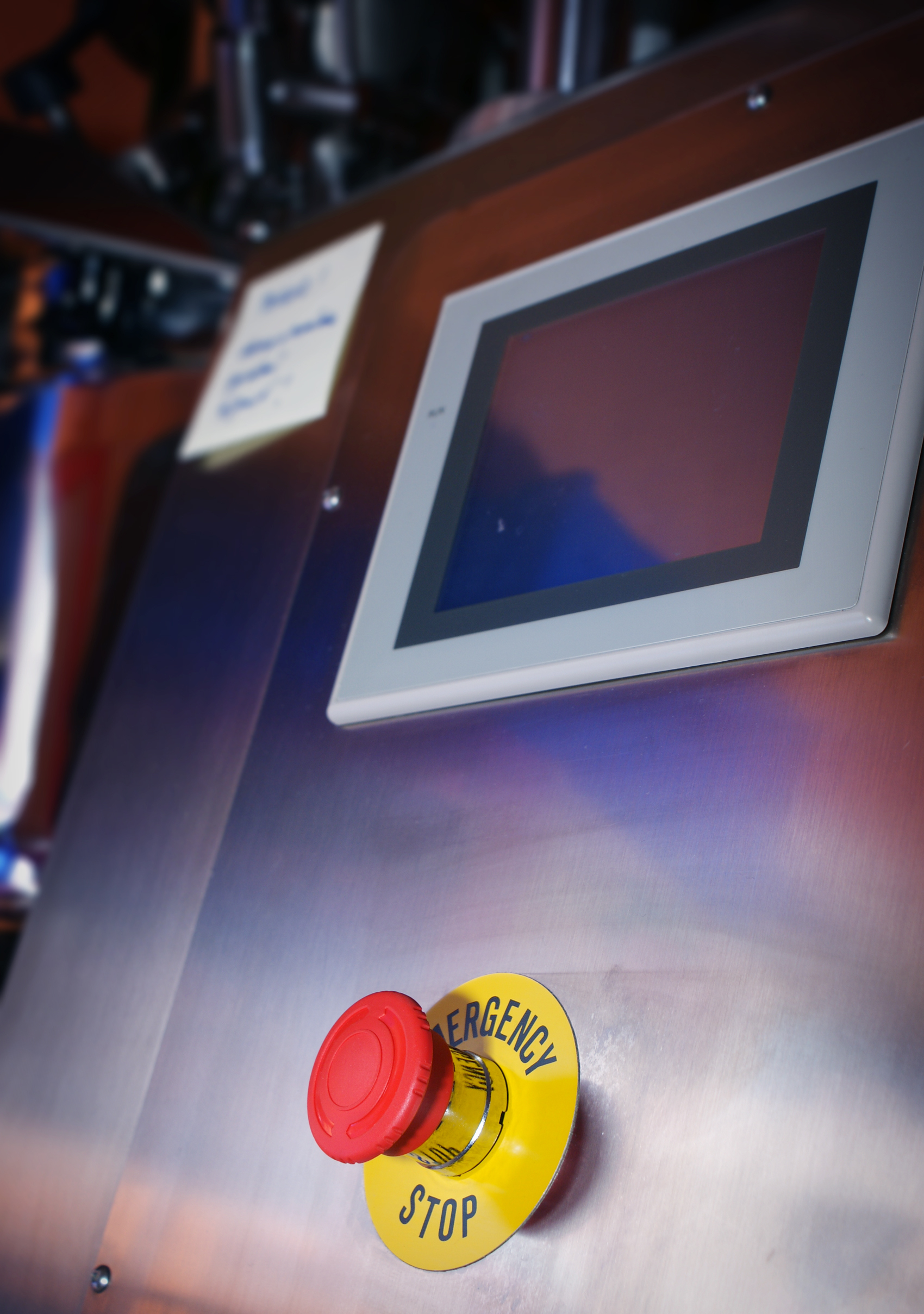
Machine safety inspections identify hazards before they lead to serious injuries. They help ensure compliance with OSHA standards, improve equipment reliability, and confirm safety devices such as guarding and emergency stop systems function properly.

Yes, effective safety training improves hazard recognition, reduces accidents, and helps workers follow proper procedures. Training services that focus on real equipment and processes are especially valuable for maintaining workplace safety and compliance.

Functional safety ensures safety systems perform correctly under normal and fault conditions. It involves designing and validating safety functions that reduce risk and protect workers. This is essential for meeting safety standards and maintaining reliable operation.

AI can support risk assessments by analyzing data and identifying patterns across operations. However, experienced safety engineers are still essential for interpreting results, determining risk, and applying appropriate safety solutions in complex environments.

Most machine-related injuries result from inadequate machine guarding, failure to control energy sources, lack of training, or unsafe operating procedures. Addressing these areas helps protect workers and reduce risk across the facility.

Let’s Take a Look at Your System

If your systems are not performing the way they should, it is worth addressing before it impacts safety, compliance, or production.

Let’s walk through your system together and develop a clear path forward.